
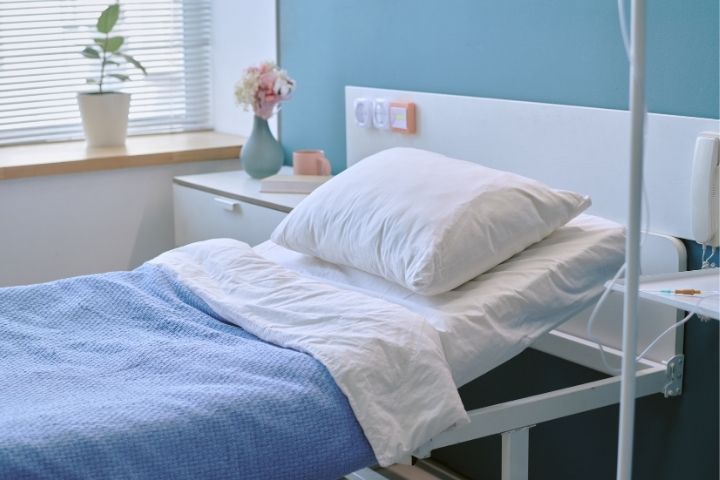
Who Actually Needs a Hospital Bed at Home?
A standard bed can stop working for daily care before the need feels obvious. A loved one may still be recovering at home, but getting in and out of bed has become stressful, painful, or unsafe. For many households, the question is not whether care has become serious enough to require hospital beds, but whether the bedroom setup still supports safe daily recovery.
Hospital beds for home are not only for hospice care, permanent disability, or major medical decline. They can also help after surgery, during temporary mobility changes, or when a caregiver is struggling to assist with transfers and repositioning. Understanding what these beds do makes the decision more practical.
A Hospital Bed Is a Support Tool, Not a Sign of Giving Up
A hospital bed at home is designed to solve specific care challenges that an everyday mattress cannot handle well. Adjustable positioning, safer bed height, and caregiver access can make daily routines easier for the person recovering and the family member helping. Looking at the need early can also prevent small problems, such as difficult transfers or poor positioning, from becoming bigger safety concerns.
What Hospital Beds for Home Actually Do
Hospital beds for home use are designed to adjust to the person’s care needs, not just their comfort preferences. The raised head section can support easier breathing or resting after surgery, leg elevation may help with swelling, and adjustable bed height can make transfers safer for the person getting up and the caregiver helping them.
The existing bed may feel familiar, but it usually cannot support these changes without extra pillows, awkward lifting, or unsafe workarounds. When someone needs help sitting up, repositioning, or moving from bed to a walker, wheelchair, or bedside commode, a hospital bed's adjustability can make the routine more controlled and less physically demanding.
When Positioning Is More Than a Comfort Issue
Some families first look at hospital beds because their loved one simply cannot rest well in their current bed anymore. Breathing may feel harder when lying flat, swelling may increase overnight, or pain after surgery may get worse when the body cannot stay in the right position.
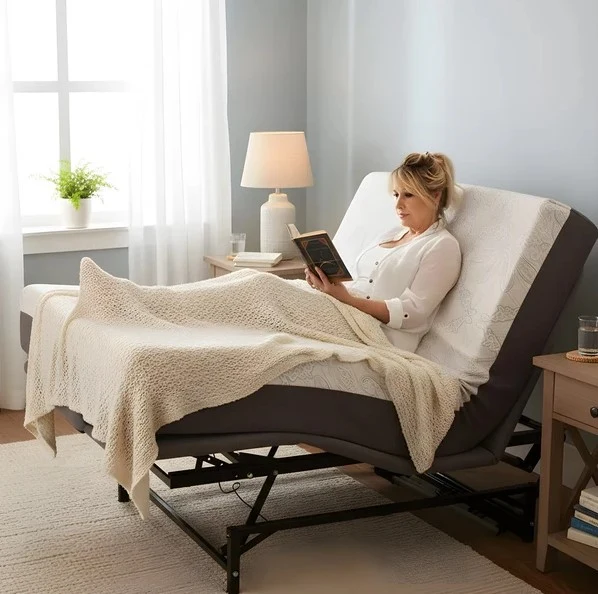
Pillows may help briefly, but they often shift, flatten, or slide overnight. A hospital bed keeps the head, upper body, or legs supported at a steadier angle, which can make recovery routines easier to manage and reduce the need for repeated repositioning.
Health Situations That Often Point to Hospital Beds
Home support may need to change after surgery, a hospital stay, or a noticeable shift in mobility. Recovery from hip, knee, back, or abdominal surgery can make sitting up, standing, or staying positioned harder, especially when movement strains healing areas.
Ongoing health concerns can create a different kind of need. Breathing trouble, swelling, weakness, chronic pain, or limited strength may make the bedroom setup harder to use safely. Hospital beds for home can help when someone needs steadier elevation, easier repositioning, or caregiver support throughout the day and night.
Signs a Standard Bed Is No Longer Safe
A regular bed may still look fine, but the daily routine around it can tell a different story. When someone struggles to sit up, slides toward the edge, needs to be pulled back into position, or avoids lying down because getting back up feels too hard, the bed may no longer support safe care.
Common signs include:
The person needs help getting in or out of bed most of the time.
A caregiver has to bend, pull, or lift during transfers.
The person has fallen or almost fallen near the bed.
Pillows are being used every night to manage breathing, swelling, or pain.
Repositioning during the night has become stressful or physically difficult.
When these problems recur, the issue is usually not just about comfort. A hospital bed may help reduce unsafe movement, give the caregiver better access, and make the person’s daily routine more manageable.
Short-Term and Long-Term Uses for Hospital Beds
Some households only need a hospital bed for a short recovery window. Rental may make sense after surgery, during healing after an injury, or after a hospital stay when the person needs extra support before returning to a normal routine.
Long-term use may fit better when mobility limits, chronic illness, or positioning needs are unlikely to improve quickly. In those cases, the bed becomes part of the home-care setup, especially when safer transfers, caregiver access, and nighttime repositioning are ongoing concerns. The timeline can change later, but the decision should align with daily care for now.
How Families Can Decide Without Guessing
A practical starting point is to look at three moments: lying down, repositioning, and getting back up. If any of those steps now cause pain, strain, or safety concerns, the current bed may no longer meet the person’s care needs.
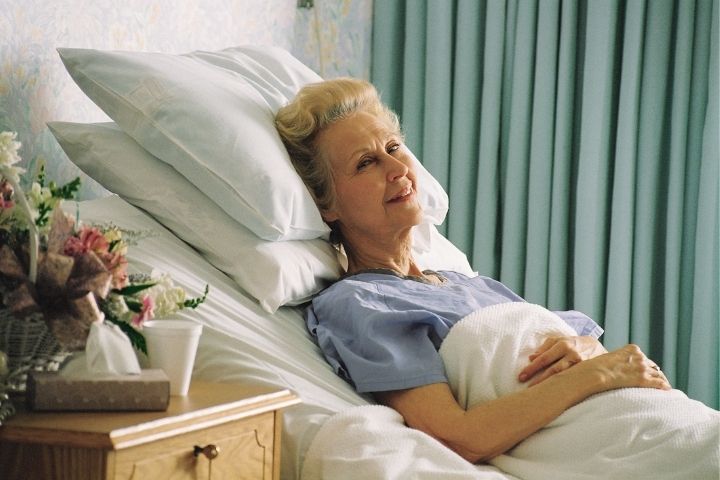
Another helpful clue is the extent of physical help the caregiver now provides. If every transfer requires pulling, lifting, or repeated repositioning, the setup may be placing too much strain on both people.
Hospital beds for home use are worth considering when the same problem keeps recurring day after day. Naming the exact challenge, such as breathing while lying down, getting out of bed, managing swelling, or reducing caregiver strain, makes the next decision clearer.
Match the Bed to the Daily Care Needs
The goal is not to make a home feel more clinical. It is about solving the part of care that has become unsafe, painful, or too difficult to manage with the current setup. That may mean safer transfers after surgery, better positioning for breathing, or easier nighttime support when pillows are no longer enough.
James Medical helps families choose equipment based on real routines, recovery timelines, and caregiver needs. This type of support may not be necessary for every situation, but it can help when daily care has become harder to manage safely. Compare available options with our team before choosing the setup for your home.