
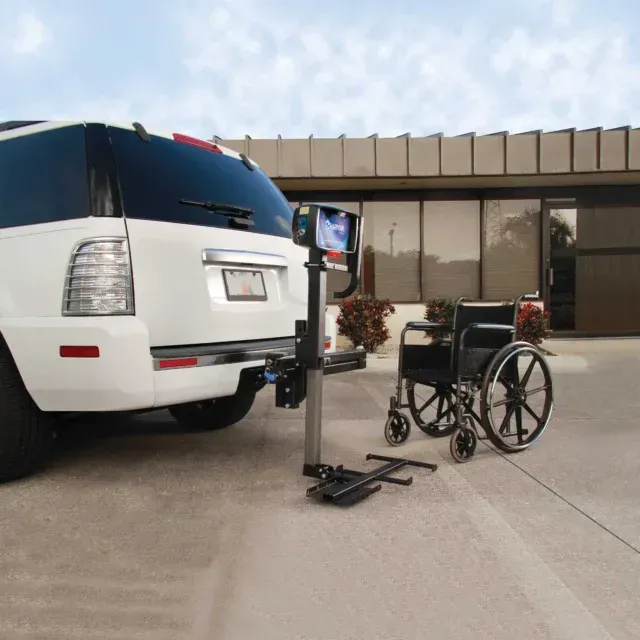
Why Regular Maintenance Keeps Vehicle Lifts Reliable and Safe Long-Term
Routine maintenance prevents wear, damage, and malfunction in vehicle lifts used for mobility equipment. Lubrication, inspection, and cleaning keep components moving smoothly and safely. Scheduled servicing extends lifespan and ensures reliable operation every day.
Vehicle lifts are essential for transporting scooters, wheelchairs, and power chairs securely between destinations. Consistent maintenance protects users from breakdowns or mechanical failures that can disrupt independence. James Medical provides dependable service and maintenance solutions for vehicle lifts to help families travel safely and confidently.
How Regular Maintenance Ensures Long-Term Reliability in Vehicle Lifts
Regular maintenance keeps vehicle lifts functioning safely, smoothly, and efficiently. Inspections detect wear before it leads to costly repairs or operational issues. Proper upkeep maintains consistent performance and long-term reliability for daily mobility needs.
Why Lubrication and Cleaning Are Essential for Vehicle Lift Performance
Lubrication and cleaning protect lift components from friction and buildup that cause early deterioration. Keeping gears and joints free of debris ensures smoother motion and reduced wear. Regular cleaning also prevents corrosion, particularly in outdoor conditions.
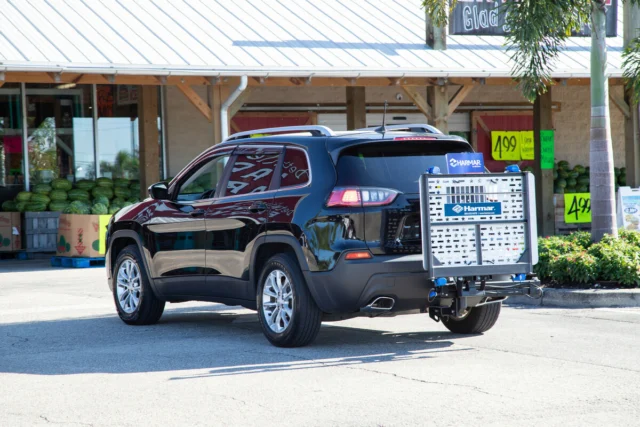
Neglecting lubrication leads to grinding and mechanical resistance. Dirt accumulation can restrict movement and increase strain on the motor. Consistent cleaning routines preserve the integrity of all moving parts.
Technicians use approved lubricants designed for mobility equipment. Proper applications prevent over-greasing and ensure balanced pressure on every joint. Routine care enhances safety and prolongs the lift’s overall performance.
Which Maintenance Steps Improve Lift Safety and Operation
Vehicle lifts require a combination of visual inspections and functional checks to ensure safe performance. Each step contributes to consistent reliability, stability, and safety for users and caregivers.
Inspect Hydraulic Systems: Check fluid levels and connections to prevent leaks and weak pressure. Hydraulic stability ensures smooth operation under load.
Test Electrical Controls: Verify button or remote response accuracy. Reliable electrical function prevents sudden stops or misalignment.
Check Mounting Hardware: Tighten bolts and brackets securing the lift to the vehicle. Proper fastening avoids vibration or loosening during travel.
Examine Wiring and Cables: Inspect for fraying or corrosion around connectors. Replacing worn wiring prevents power failure or shorts.
Evaluate Platform Movement: Ensure smooth, even lifting without jerks or delays. Uneven motion may indicate motor strain or alignment problems.
Following a structured maintenance checklist guarantees dependable performance. Regular testing prevents mechanical failure in critical moments. Every inspection supports safety and peace of mind for frequent users.
Why Manufacturer Guidelines Matter for Vehicle Lift Longevity
Every vehicle lift comes with specific maintenance schedules and component recommendations. Following manufacturer instructions ensures compliance with safety standards and warranty coverage. Ignoring these guidelines can lead to avoidable wear and damage.
Manufacturers design each system for certain weight limits, electrical capacities, and environmental conditions. Using the lift outside these parameters accelerates deterioration. Proper adherence preserves mechanical efficiency and safety certification.
Regularly updating parts based on manufacturer timelines prevents premature replacement. Keeping up with software or hardware updates ensures compatibility with modern mobility devices. A consistent maintenance plan extends both product lifespan and value.
Which Signs Indicate a Vehicle Lift Needs Immediate Service
Recognizing early warning signs helps prevent costly repairs and unsafe conditions. Users and caregivers should stay alert for operational changes or noises during use. Catching issues early keeps lifts safe and dependable.
Unusual Grinding Sounds: Noise during motion suggests friction or failing bearings. Servicing prevents deeper mechanical damage.
Slow or Jerky Movement: Delays indicate hydraulic or electrical problems. Timely adjustment restores smooth performance.
Warning Lights or Error Codes: Control panel signals often point to motor or circuit issues. Quick diagnostics prevent complete shutdown.
Visible Rust or Corrosion: Exposure to moisture can weaken components. Cleaning and sealing restore structural protection.
Loose Hardware or Vibrations: Movement or rattling signals mounting or joint problems. Tightening or replacing parts restores stability.
Addressing small issues immediately prevents large, expensive repairs later. Regular attention improves safety and extends service life. Consistent care ensures continued reliability and performance.
What Benefits Come from Professional Vehicle Lift Maintenance
Professional servicing ensures expert handling, proper diagnostics, and safety compliance. Trained technicians follow standardized procedures to detect issues invisible to untrained users. Their experience guarantees accurate adjustments for long-term reliability.

Technicians perform calibration tests to confirm lifting strength and movement precision. Professional tools and equipment ensure correct torque levels on all fittings. Certified service also maintains compliance with manufacturer warranty requirements.
Scheduling maintenance through experienced professionals gives users peace of mind. It minimizes risk and ensures uninterrupted mobility access. Regular professional care supports both safety and equipment longevity.
What to Consider When Scheduling Regular Vehicle Lift Maintenance
Creating a maintenance schedule involves balancing frequency with usage patterns and environment. Heavily used or outdoor lifts require more frequent inspection. Setting a clear routine prevents neglect and extends overall functionality.
Seasonal checks help prepare equipment for temperature changes and moisture exposure. Weather protection maintains electrical and mechanical reliability in all conditions. Routine service before long trips also ensures consistent operation on the road.
Documenting maintenance history provides a reliable reference for future repairs. Tracking service intervals allows technicians to identify patterns and potential weaknesses. A consistent plan protects both user safety and long-term investment.
Ensuring Safe and Reliable Performance Through Regular Maintenance
Vehicle lifts support freedom, mobility, and independence for individuals relying on powered equipment. Regular inspections, lubrication, and professional servicing keep every component performing safely and efficiently. Consistent maintenance extends lifespan and prevents unexpected breakdowns.
Families and caregivers can trust James Medical for expert vehicle lift maintenance and dependable mobility solutions. Our team provides thorough inspections, preventive care, and repair services for lasting safety and confidence on the road. Contact James Medical today to schedule maintenance that protects your equipment and ensures reliable, worry-free travel.