
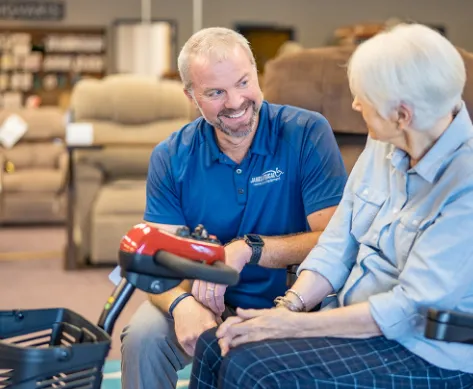
The Top Mobility Aids for Seniors in 2025: What’s New and Trending
As the senior population continues to grow, the demand for advanced mobility solutions has never been higher. Innovations in assistive technology are transforming how older adults maintain independence and safety at home. In 2025, the focus is on integrating technology with user-friendly designs to meet the evolving needs of seniors. Continuous learning in the field of home medical equipment ensures that seniors have access to the latest and most effective mobility aids. Healthcare providers and caregivers must stay informed about these developments to offer the best support.
What to Look for in Mobility Aids
Choosing the right mobility aid requires a careful evaluation of the user's medical needs, lifestyle, and home environment. A well-matched device improves physical mobility, enhances confidence, and promotes long-term independence. With numerous options available, understanding key features can help families and caregivers make informed decisions. The right aid can reduce fall risks, ease strain on caregivers, and significantly improve quality of life.
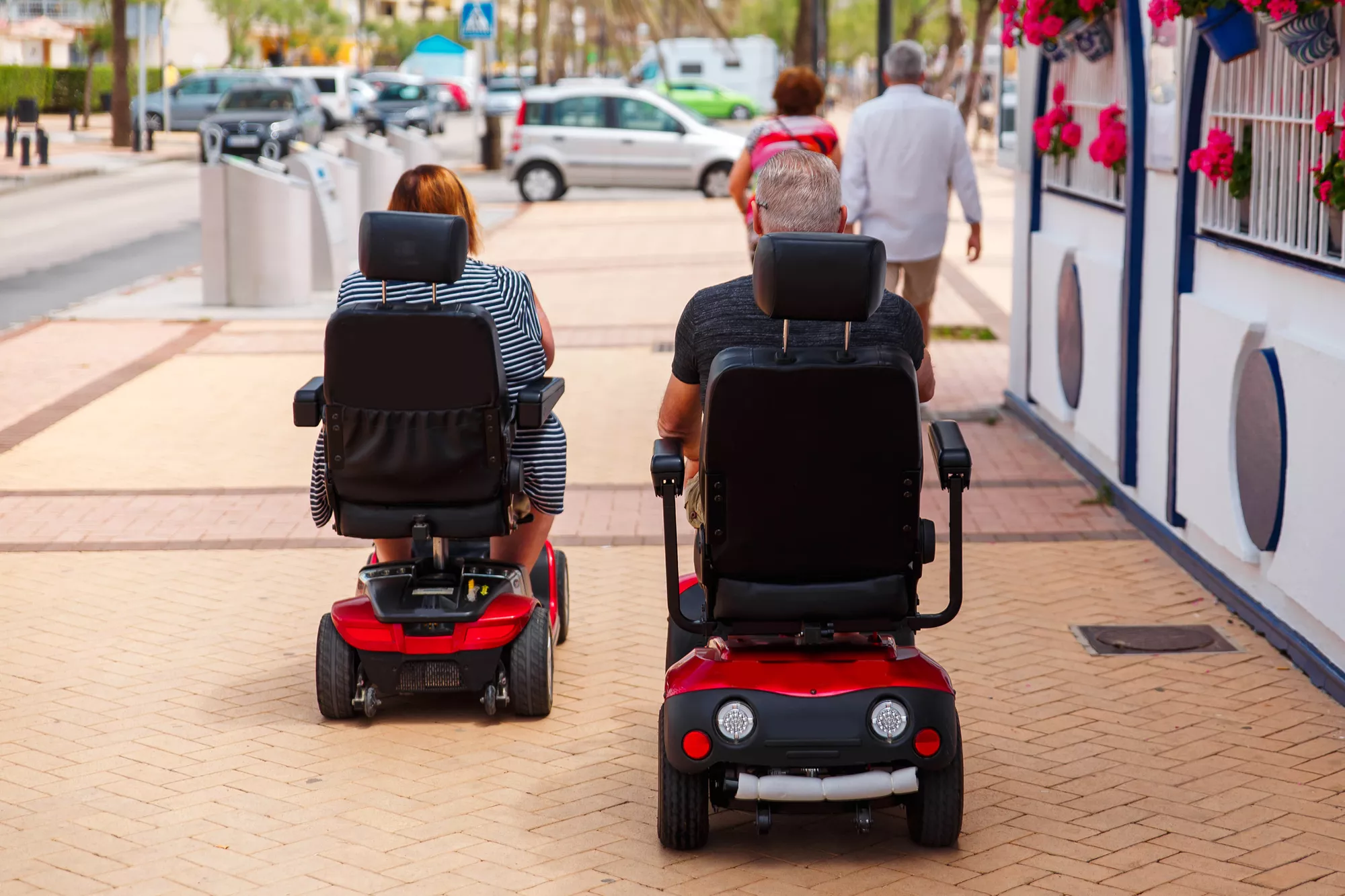
Medical Compatibility and Functionality
A mobility aid must align with the user’s medical condition, physical limitations, and long-term recovery goals. Devices should be evaluated for their ability to support posture, maintain joint alignment, and facilitate ease of transfers. Conditions like Parkinson’s, arthritis, or stroke recovery require different mechanical functions and assistive designs. Consulting with a physician or physical therapist ensures proper fit and function.
Ease of Use and Maneuverability
Mobility aids should be intuitive and easy to operate, especially for seniors with limited dexterity or cognitive changes. Devices with simplified controls, low-effort steering, and compact turning radii are essential in tight spaces. Features like swivel seats, automatic braking, and quick-fold mechanisms also reduce strain. It is strongly recommended to test drive the equipment in a home-like environment.
Safety Features and Stability
Key safety features include anti-tip systems, locking mechanisms, seat belts, and fall prevention sensors. Devices with built-in alerts or caregiver monitoring help provide peace of mind. Stability should be assessed on various surfaces, including ramps, carpets, and outdoor terrain. Modern aids often include braking assist and obstacle detection to prevent accidents.
Comfort and Adjustability
A good mobility aid must support the user’s body comfortably over extended periods. Look for padded seating, customizable footrests, ergonomic grips, and pressure-relieving surfaces. Adjustable components help ensure proper posture and can accommodate long-term physical changes. Comfort directly affects the willingness to use the device daily.
Maintenance and Service Availability
Reliability and ease of servicing are critical when investing in a mobility aid. Choose brands with strong local support, available replacement parts, and responsive service technicians. Features like diagnostic apps or onboard system alerts simplify preventive maintenance. Consideration should be given to backup options or loaner equipment for essential daily-use devices.
Top Mobility Aids in 2025
1. Smart Power Wheelchairs
Smart power wheelchairs have revolutionized mobility aids for seniors, offering advanced features like obstacle detection and automated navigation. These wheelchairs utilize sensors and artificial intelligence (AI) to adapt to various environments, thereby enhancing safety and independence. Users can control the chair through touchscreens or voice commands, simplifying operation. Integration with mobile apps allows for real-time monitoring and adjustments.
Battery life has significantly improved, with some models offering extended ranges of up to 25 miles on a single charge. Fast-charging capabilities reduce downtime, ensuring users have access to mobility when needed. Lightweight materials contribute to easier transport and maneuverability. These advancements make smart power wheelchairs a top choice for tech-savvy seniors.
Customization options are abundant, allowing users to adjust seating positions, armrests, and footrests for optimal comfort. Memory settings can store preferred configurations, streamlining daily use. Enhanced suspension systems provide smoother rides over various terrains. These features collectively improve the user's quality of life.
2. All-Terrain Power Chairs
All-terrain power chairs are gaining popularity as mobility aids for seniors who lead active lifestyles or live in rural environments. These advanced mobility devices feature rugged tires, high-torque motors, and reinforced suspension systems. Enhanced traction and stability allow users to navigate uneven terrain, gravel paths, and grassy fields with confidence. Modern models also offer weather-resistant materials to support use in various climates.
Many all-terrain power chairs now integrate GPS tracking and real-time diagnostics through smartphone apps, allowing caregivers to monitor the chair's location and performance from a distance. Some devices include programmable driving modes to adapt to specific surfaces, such as sand, pavement, or dirt trails.
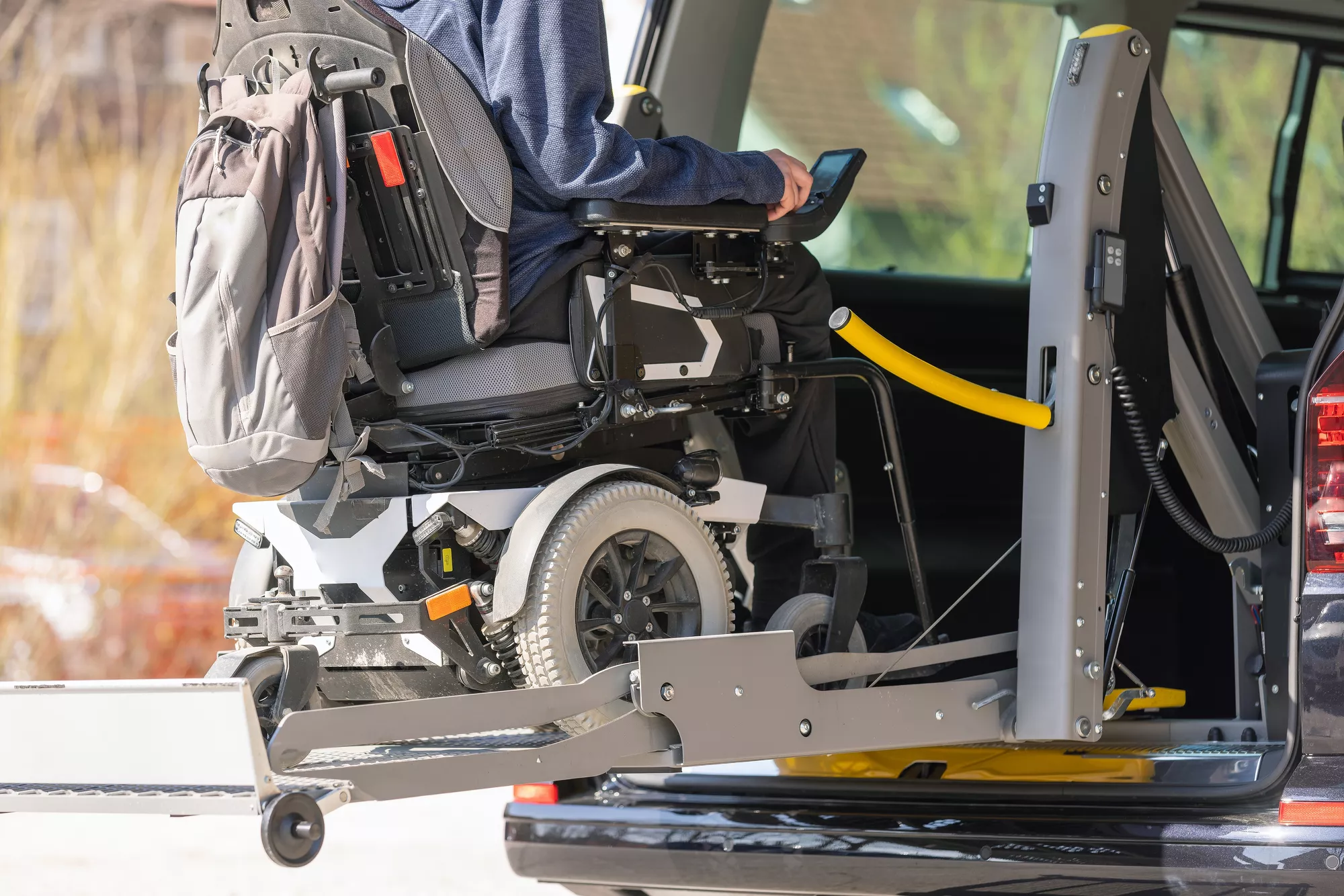
Comfort remains a priority, with high-back ergonomic seating, lumbar support, and adjustable footrests standard in many models. Shock-absorbing frames reduce vibrations, providing a smoother ride over rough ground. Some devices include recline functions and power-elevating seats for improved posture and circulation. These comfort features are especially important for seniors who use the chairs for extended periods.
Battery capacity is a key consideration, with newer models offering up to 20 miles of continuous travel on a single charge. Fast-charging lithium-ion batteries minimize downtime and enhance usability. Charging ports compatible with solar panels add flexibility for users on the move. These power innovations align with the continuous learning approach in engineering adaptive mobility solutions.
3. Indoor Navigation Scooters
Indoor navigation scooters have evolved with significant improvements in maneuverability and safety features. These mobility aids are specifically engineered for use in tight residential spaces, healthcare facilities, and assisted living environments. Their compact dimensions, tight turning radii, and anti-tip wheels enable smooth navigation around furniture and hallways. Many models also include cushioned bumpers to prevent wall damage.
Advanced sensors enable users to avoid obstacles, reducing collision risks in cluttered environments automatically. Proximity alerts, audible signals, and soft-stop braking contribute to a safer ride. Some scooters can map a user’s home layout and utilize pathfinding algorithms to optimize travel routes. These capabilities cater to seniors with limited spatial awareness or declining vision.
Comfort-focused designs feature padded swivel seats, adjustable tillers, and easy-access controls. Swivel seats simplify transfers in and out of the scooter, especially for users with hip or knee pain. Suspension upgrades also contribute to smoother rides across indoor thresholds or low carpets. Ergonomic handle designs reduce wrist fatigue during prolonged use.
The latest scooters connect with mobile applications that track usage patterns and suggest optimal battery maintenance routines. Caregivers can access diagnostic data, battery status, and safety alerts remotely. Scheduled maintenance reminders improve reliability and longevity. These scooters represent the next generation of smart indoor mobility tools, specifically designed for senior living.
4. Standing Power Chairs
Standing power chairs enable seniors to safely and comfortably transition to a fully upright position. These mobility aids use motorized lifts to transition users between sitting, reclining, and standing positions. Standing mobility offers health benefits such as improved circulation, reduced pressure sores, and enhanced respiratory function. It also supports social engagement by allowing eye-level interaction.
Engineers have prioritized safety in standing chairs through the use of locking mechanisms, anti-rollback systems, and harness supports. Position sensors prevent standing activation unless the user is in a secure and stable posture. Backup batteries allow safe returns to a seated position in the event of power loss. These systems ensure confidence for both users and caregivers.
Modern models incorporate programmable presets for frequently used positions, streamlining the transition process. Seniors can switch between settings with a single touch or voice command. Reclining and leg-elevating features further support users with specific medical conditions such as edema or spinal disorders. These customizable settings foster greater independence and autonomy.
The frames are constructed from aircraft-grade aluminum or carbon fiber composites, striking a balance between strength and reduced weight. Medical-grade cushions, advanced pressure-mapping technologies, and customizable leg supports all contribute to enhanced comfort. Standing power chairs align with the principles of continuous learning in mobility care by improving physical well-being and psychosocial quality of life.
5. Self-Balancing Electric Wheelchairs
Self-balancing electric wheelchairs use gyroscopic technology and AI to provide ultra-responsive, dynamic balance and control. These mobility aids require less space to maneuver, making them ideal for urban environments or compact indoor spaces. Users can move seamlessly in any direction using intuitive joystick or touchpad inputs. Some models feature adaptive seating that automatically shifts with the user’s center of gravity.
The technology is inspired by personal transport devices like the Segway, adapted for seated mobility with significant safety enhancements. Built-in tilt sensors and real-time posture adjustments reduce the risk of tipping. Emergency stabilization activates instantly when abrupt changes in terrain or balance are detected. These safeguards create a safe, agile mobility experience.
Lithium-ion batteries provide sufficient range for daily activities, and regenerative braking systems extend overall battery life. Portable charging docks and USB ports enable users to stay connected and powered throughout the day. Foldable designs facilitate easy storage and transportation in vehicles. These wheelchairs are especially suited to tech-literate seniors in urban environments.
Designers have focused on minimalism and aesthetics, offering sleek profiles in modern finishes. Compact form factors reduce the social stigma often associated with bulkier medical equipment. With rising demand for independence and style, self-balancing chairs are becoming increasingly prevalent among younger seniors. Their popularity illustrates how continuous learning drives inclusive design innovation.
6. Automated Stair Lifts
In 2025, automated stair lifts have become more intelligent, versatile, and safer mobility aids. Modern stair lifts now feature smart rails that detect obstructions and adjust speed accordingly. Many models include voice control and smartphone compatibility for remote operation. Some systems even learn common usage patterns to anticipate start and stop points.
Multi-landing staircases, previously a challenge, are now easier to equip due to modular rail technology. Custom curved tracks, compact designs, and quieter motors support seamless integration into diverse home architectures. Swivel seats and retractable footrests enhance both comfort and accessibility. Dual-rail models provide added stability for larger users.
Modern stair lifts also offer advanced safety features like seatbelt alerts, braking monitors, and emergency battery backup. Wireless diagnostics notify maintenance technicians if components require inspection. These proactive features reduce downtime and ensure optimal performance. Additionally, routine usage data helps caregivers evaluate changing mobility needs.
Comfort innovations include heated seats, cushioned armrests, and gentle acceleration profiles. Fold-away designs preserve stair space for other household members. Integrated lighting and app-controlled safety locks enhance night use. These lifts align with current expectations for both convenience and long-term safety in multistory homes.
7. Elevating Transfer Chairs
Elevating transfer chairs help safely transfer seniors from beds to wheelchairs or other seated surfaces. These mobility aids combine lift mechanisms with secure seating to reduce strain on caregivers and users. Adjustable heights and swing-away armrests simplify transfers, minimizing the risk of injury. Integrated safety belts and anti-pinch mechanisms enhance trust during use.
Recent models incorporate hydraulic or electric lift systems, offering smooth and quiet operation. Some chairs feature memory presets for frequently used heights or angles. Remote controls allow users to manage their transfers when possible, supporting autonomy. Compact, wheeled bases improve maneuverability in tight residential settings.
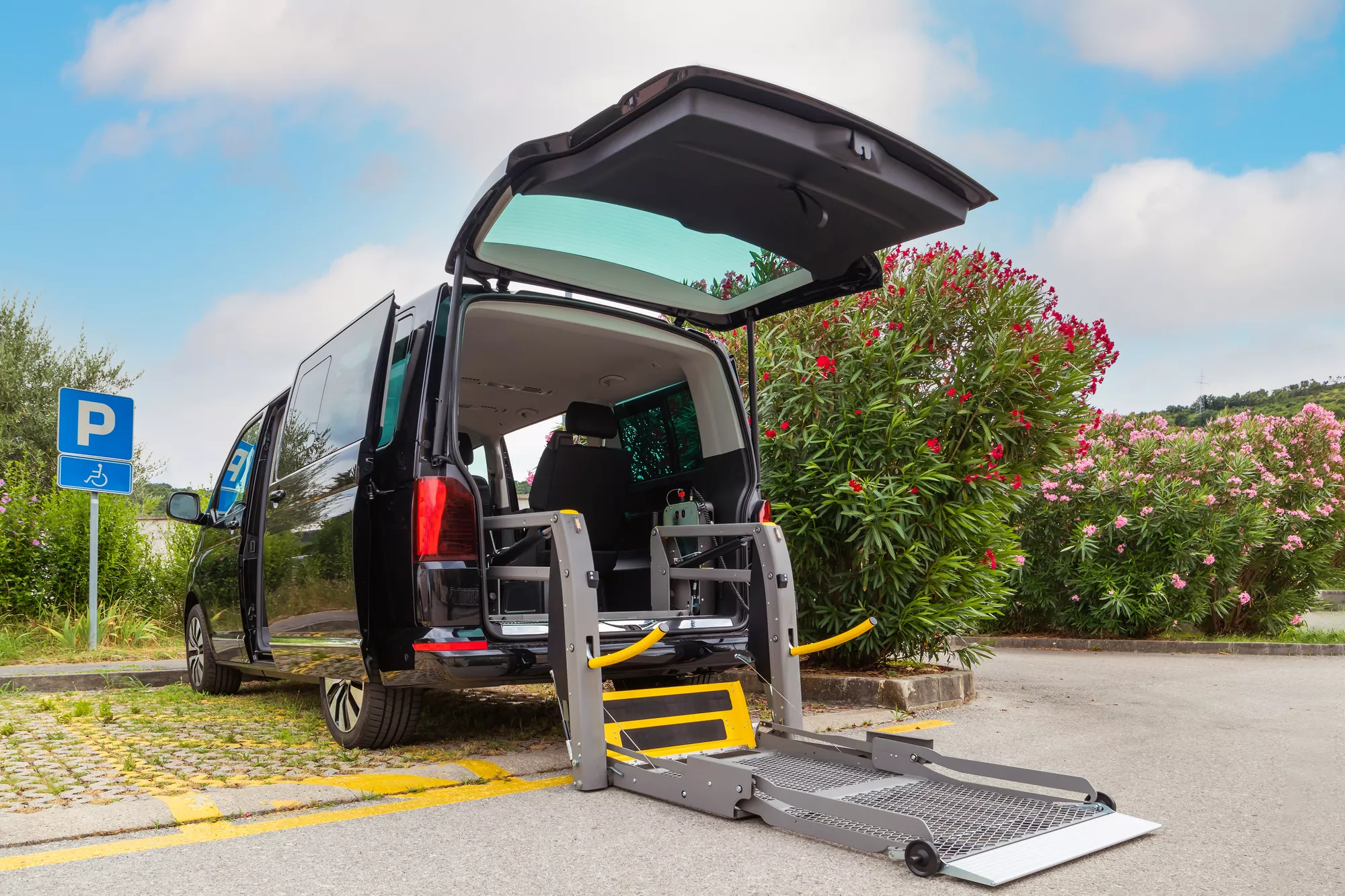
Integrated weight sensors now help caregivers monitor user health over time. Usage analytics can signal declining mobility or increased dependency, prompting early intervention. App connectivity provides instant feedback and allows for remote check-ins. These features reflect a growing emphasis on data-driven care in the mobility sector.
Materials used include antimicrobial upholstery, easy-clean plastics, and aluminum alloy frames. Designs prioritize dignity and user comfort, avoiding the clinical feel of older transfer equipment. Elevated transfer chairs have become standard in homes with aging-in-place strategies. Their popularity underscores how continuous learning fuels safer care environments.
8. Modular Mobility Systems
Modular mobility systems offer multi-functional solutions that adapt to changing user needs over time. These systems feature interchangeable components, including powered bases, reclining seats, and standing modules. One device can evolve from a basic chair to a fully powered platform.
Intelligent sensors detect which module is installed and adjust performance accordingly. For example, switching to a standing module prompts recalibration for vertical lift safety. App-based configuration tools simplify adjustments, making the systems accessible even to non-technical users. These systems benefit seniors with progressive conditions such as multiple sclerosis or Parkinson’s disease.
Storage and maintenance are simplified through streamlined design and modular parts replacement. Parts can often be swapped without the need for professional tools or service calls. Scheduled updates and firmware downloads maintain optimal performance. Modular platforms emphasize sustainable design and long-term use.
Innovation in this area supports families seeking long-term solutions without recurring significant investments. Modular systems allow seniors to remain in familiar environments even as their mobility needs evolve. As a result, they’ve gained popularity in aging-in-place home modifications. These systems reflect the intersection of engineering foresight and practical caregiving.
9. Smart Rollators with Navigation Assist
Smart rollators now feature advanced capabilities, including fall detection, navigation assistance, and activity tracking. Unlike traditional mobility aids, these walkers integrate touchscreens, voice commands, and haptic feedback systems. Navigation assist uses indoor mapping and obstacle sensors to guide users safely around obstacles.
Many devices include emergency SOS buttons that notify caregivers through mobile networks. Built-in step counters and posture tracking offer valuable insights into user wellness. App dashboards provide visual feedback on usage trends and suggest improvements. These tools support early detection of declining mobility or balance.
Lightweight yet durable frames use aerospace-grade materials to maintain strength without excess bulk. Foldable models ensure easy transport and storage. Padded grips and shock-absorbing wheels improve comfort over longer distances. These features combine safety, practicality, and high-tech functionality.
Customization remains a priority, with options like cup holders, oxygen tank brackets, and LED lighting. Ergonomic improvements encourage proper gait and reduce joint strain. Some rollators even offer powered assistance on inclines. They embody the forward momentum of continuous learning in mobility engineering.
10. Vertical Platform Lifts (VPLs)
Vertical platform lifts provide elevator-like solutions for seniors with limited stair access in homes or buildings. These lifts carry users and mobility devices between floors with minimal effort. Models are now available for both indoor and outdoor applications, featuring weather-resistant construction. Safety features include non-slip platforms, automatic gates, and obstruction sensors.
Digital touchscreens replace traditional button panels for a more straightforward operation. Voice control and remote access apps allow caregivers to summon or monitor lift use. Real-time diagnostics and remote troubleshooting reduce service downtime. These systems improve quality of life for seniors in multilevel homes.
VPLs have become more compact, requiring less structural modification for installation. Modular assembly reduces installation time and costs. Many systems are battery-operated with emergency descent capabilities. Lift speed and stability have also improved, making them safer and more user-friendly.
Their adoption is growing in both private residences and assisted living facilities. According to recent market data, demand for residential lifts has risen by over 15% in the past year. As seniors seek to remain in familiar environments, VPLs represent a highly effective mobility solution. These lifts underscore the importance of continuous learning in improving home-based accessibility technology.
Invest in the Future of Mobility Aids
The mobility aids of 2025 combine advanced engineering, personalized comfort, and safety-first features to support seniors in living independently. Continuous learning in medical technology has redefined expectations for performance, durability, and user control. To provide the most effective support, families, caregivers, and healthcare professionals must stay informed. The right equipment can transform daily living and restore dignity and freedom to aging individuals.
At James Medical, we specialize in sourcing and supporting the most advanced mobility aids for your unique needs. Our expert team provides in-home consultations, product trials, and customized recommendations. Contact us today to explore high-tech mobility solutions that empower you to age in place with confidence. Your journey to safer, more innovative mobility begins with a conversation—let’s walk it together.