

How Seniors Can Choose the Right Walking Aid for Stability Needs
Maintaining stability and mobility becomes increasingly important as adults age, especially when facing challenges such as balance loss, joint pain, or reduced endurance. Selecting the right walking aid can transform daily life, reducing the risk of falls and restoring confidence in movement. Each type of device provides unique benefits tailored to specific levels of support and mobility requirements. Understanding the differences ensures seniors can choose equipment that best matches their individual needs.
Families often find themselves overwhelmed by the range of options available for mobility support. Canes, walkers, and rollators each offer distinctive features designed to promote safety and independence. Evaluating lifestyle needs, home environments, and health conditions helps guide proper selection. With the right walking aid, seniors maintain freedom while enjoying greater comfort and peace of mind.
Choosing a Cane as a Walking Aid
A cane serves as one of the simplest and most widely used forms of mobility support. Seniors often begin with a cane when they need just a little help with balance or stability. Canes provide light support, reduce pressure on weak joints, and improve coordination during walking. Selecting the correct height and grip style ensures maximum comfort and safety for the user.
Single-point canes offer minimal assistance but are discreet and easy to maneuver. Quad canes provide a wider base for added stability and are suitable for individuals with more noticeable balance issues. Lightweight designs allow seniors to use them indoors and outdoors without strain. Adjustable height settings make them versatile across a wide range of users.
Specialized canes also feature ergonomic handles, cushioned grips, and foldable designs for convenience. Rubber tips or stabilizing bases enhance traction on various floor surfaces. Some advanced models include built-in lights or seats for resting during longer outings. Choosing the right cane depends on both personal preference and the degree of assistance required.
A cane serves as a transitional walking aid before more supportive devices become necessary. Many seniors start with a cane following minor surgery, injuries, or the onset of age-related balance concerns. Healthcare professionals often recommend canes as an initial step toward maintaining safe mobility. Proper training on usage prevents misuse and ensures long-term benefit.
Understanding Standard Walkers
A walker provides greater stability and support compared to a cane, making it ideal for individuals with more significant mobility limitations. Standard walkers consist of a lightweight frame with four legs, requiring users to lift and place the device while walking. They are particularly helpful for those with poor balance or limited weight-bearing ability. Walkers promote safer walking by providing constant stability on both sides of the body.

Walkers often feature adjustable heights, ensuring a proper fit for each individual. Correct positioning reduces strain on shoulders and arms, enhancing comfort during daily use. Non-slip rubber tips add extra stability on smooth surfaces, reducing the risk of falls. Their lightweight structure makes them practical for both indoor and outdoor environments.
Some walkers include additional features for improved usability. Foldable frames make transportation easier, while attachments such as trays, baskets, and pouches add convenience for daily activities. Padded hand grips reduce discomfort for individuals using the device over extended periods. Accessories allow seniors to customize walkers for both medical needs and lifestyle preferences.
Healthcare providers often recommend standard walkers for individuals recovering from surgery, strokes, or injuries. They allow slow, controlled movement that helps rebuild strength and confidence. Walkers also support rehabilitation programs by encouraging safe mobility during recovery stages. Consistent use of a walker as a walking aid fosters independence while minimizing caregiver strain.
Exploring Rollators
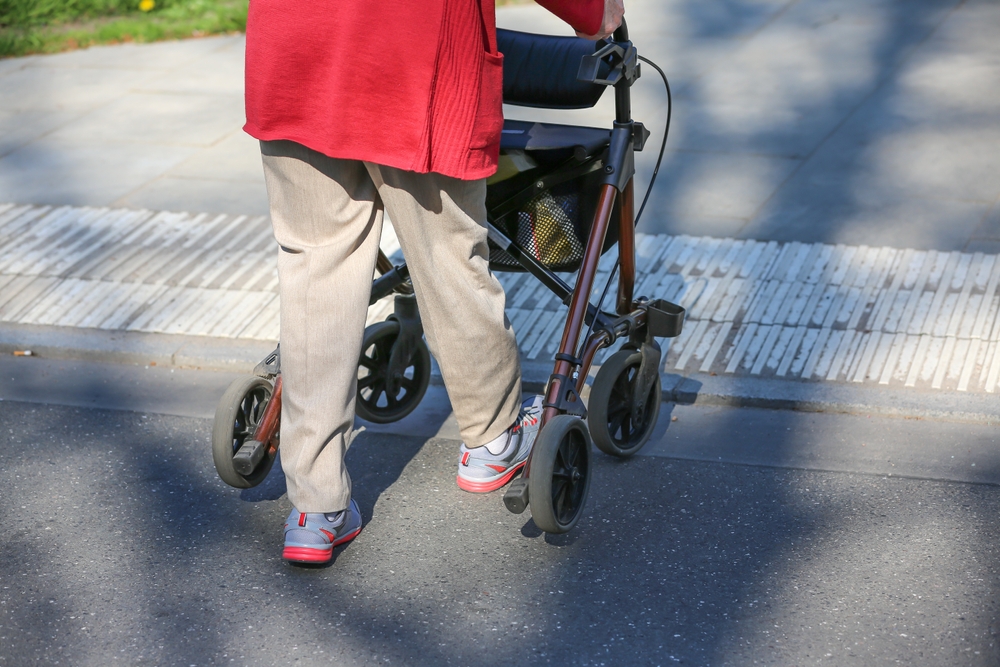
A rollator combines mobility support with convenience, offering enhanced freedom of movement compared to standard walkers. Unlike traditional models, rollators feature wheels, hand brakes, and often built-in seating. Seniors benefit from the ability to walk smoothly without needing to lift the frame at every step. Rollators are ideal for those who need balance support but desire more active mobility.
Rollators typically include three or four wheels for stability. The four-wheel design provides maximum steadiness, while three-wheel rollators offer greater maneuverability in smaller spaces. Hand brakes add control on slopes or uneven surfaces, preventing sudden accidents. Built-in seats allow individuals to rest whenever fatigue becomes an issue, supporting longer outings with confidence.
Storage compartments represent another advantage of rollators. Many models include baskets or pouches for carrying personal belongings, groceries, or medical supplies. This makes rollators a practical solution for seniors who wish to maintain independence during errands and social visits. Combining convenience with safety ensures rollators meet both medical and lifestyle needs.
Rollators are particularly beneficial for individuals with reduced endurance who require frequent rest. The seating feature offers peace of mind, encouraging more active engagement outside the home. Choosing a rollator requires consideration of weight capacity, wheel size, and braking system. A properly fitted rollator as a walking aid provides stability without limiting activity.
Considering Specialized Walking Aid Features
Beyond the standard categories of canes, walkers, and rollators, specialized features enhance usability and safety. Adjustable height remains essential to ensure correct posture and reduce strain during walking. Ergonomic grips and padded handles prevent discomfort and support individuals with arthritis or sensitive joints. Customization ensures the walking aid matches both medical needs and personal comfort preferences.
Wheeled walkers with glides or skis combine features of standard walkers and rollators. They allow smoother forward motion without requiring constant lifting, reducing fatigue during daily use. Some models integrate partial seating for rest without compromising overall stability. These hybrid devices bridge the gap between traditional walkers and advanced rollators.
Folding designs add significant convenience for travel and storage. Many canes, walkers, and rollators collapse into compact forms that fit in vehicles or small living spaces. Portable models encourage seniors to maintain mobility wherever they go. Easy folding mechanisms ensure both practicality and reliability.
Additional features such as lights, reflective materials, and wider bases further increase safety. Walking aids with weight-bearing adjustments accommodate different levels of support for specific medical conditions. Each added function provides value by improving daily usability and peace of mind. Selecting specialized features ensures seniors achieve the highest benefit from their chosen device.
Professional Guidance When Selecting a Walking Aid
Selecting the right walking aid requires more than simply choosing a model from a catalog. Professional guidance ensures the device meets medical requirements, lifestyle preferences, and safety standards. In-home evaluations assess flooring, stairways, and living arrangements to recommend the most practical solutions. Such assessments prevent unnecessary purchases and improve long-term outcomes.
Showrooms allow seniors and families to test different walking aids in person. Experiencing the weight, height, and handling of each device creates confidence in final decisions. Knowledgeable staff can demonstrate proper usage, answer questions, and suggest suitable accessories. A showroom visit often simplifies the decision-making process while eliminating uncertainty.
Healthcare providers remain an important resource for evaluating needs and recommending the most appropriate devices. Doctors, therapists, and rehabilitation specialists understand the physical limitations and recovery goals of each patient. Their input ensures walking aids provide the right level of support without hindering mobility progress. Professional recommendations increase both safety and satisfaction with the chosen equipment.
Ongoing support also plays a critical role in maintaining equipment effectiveness. Repairs, adjustments, and replacement parts keep walking aids functional and safe for long-term use. Rental options help seniors access walking aids temporarily during recovery or trial periods. Continuous service ensures users remain confident and supported as needs evolve.
Walking Aid Solutions for Safe and Confident Mobility
Choosing the right walking aid helps seniors achieve greater stability, independence, and confidence in their daily lives. Canes, walkers, rollators, and specialized designs each serve unique purposes tailored to varying mobility needs. Professional guidance and in-person evaluations ensure families make informed decisions that match health conditions and lifestyles. Investing in proper support reduces risks, encourages activity, and improves overall well-being.
James Medical provides a complete selection of walking aids along with expert evaluations, rentals, and service support to ensure safe mobility. Explore our solutions today to discover how we can help you or your loved one stay active with confidence.