
Raised Toilet Seat vs Safety Frame: Which Should You Choose?
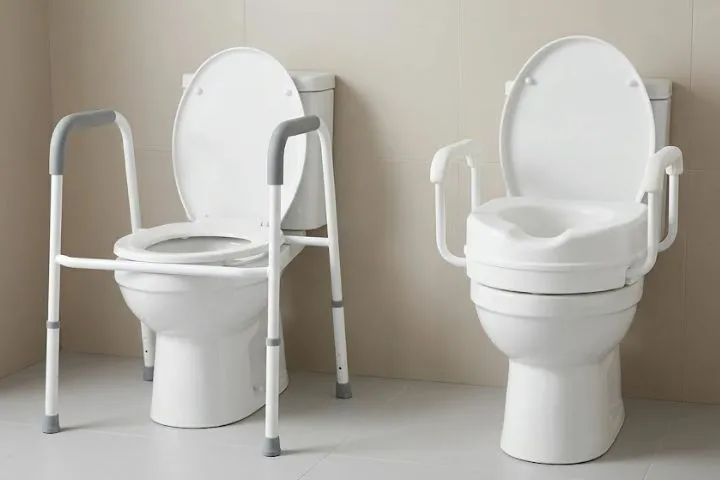
A raised toilet seat and a toilet safety frame can both support safer toileting, but they help in different ways. A raised toilet seat changes the height of the toilet, while a safety frame provides something steady to hold while sitting or standing.
For seniors, post-surgery patients, and caregivers, the right choice often depends on strength, balance, bathroom layout, and the amount of help needed during transfers. A trusted supplier of toilet safety equipment can help families compare the options before buying equipment that may not fit the person or the space. The goal is to make daily bathroom routines feel safer, easier, and less stressful for everyone involved.
The Right Choice Starts With How the Person Moves
Before choosing either option, it helps to watch how the person currently uses the toilet. Someone who struggles to bend may need a different type of support than someone who feels unsteady while standing. When the equipment matches the person’s actual movement pattern, bathroom safety feels more natural and easier to manage.
Why Toilet Safety Equipment Matters at Home
Toilet transfers can become difficult when bending, balance, or leg strength changes. A person may feel steady while walking but still struggle when lowering onto the toilet or pushing back up.
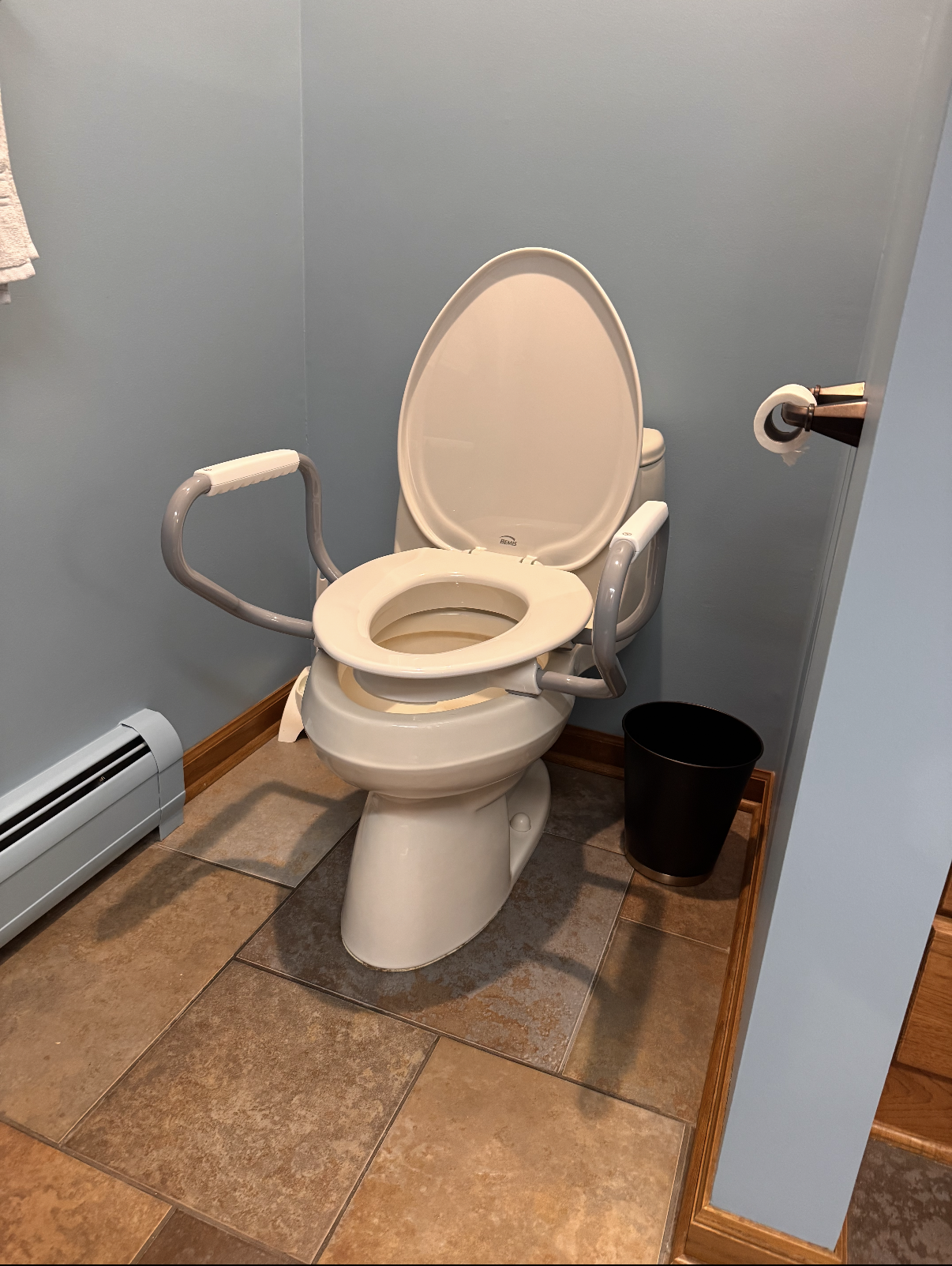
Working with a supplier that understands toilet accessibility solutions can make the decision easier, as the support should align with the person’s body, bathroom layout, and recovery needs. Some people need help reducing how far they bend, while others need something secure to hold while standing.
Raised Toilet Seat vs Safety Frame: What Each One Does
A raised toilet seat adds height to the existing toilet so the person does not have to lower as far when sitting down. It can be helpful after hip or knee surgery, during injury recovery, or when stiffness makes deep bending uncomfortable. Some models attach directly to the toilet bowl, while others include added features such as locking mechanisms or armrests.
A toilet safety frame works differently by providing hand support around the toilet. Instead of changing only the seat height, it provides a stable place to hold onto while lowering, standing, or steadying their balance. This can be especially helpful for someone who has enough leg movement to sit but needs extra support during the transfer.
Raised Toilet Seat vs Safety Frame: Key Differences
Both options can make toileting safer, but they do not solve the same challenge. The better choice depends on whether the person needs height, hand support, or both.
Stability
A toilet safety frame usually offers greater stability because it provides the person with two side supports to hold onto while sitting or standing. A raised toilet seat mainly improves height, so it may not be enough for someone who feels unsteady during transfers.
Ease of Use
A raised toilet seat can feel easier for someone who mainly struggles with bending, stiffness, or lower-body strain. A safety frame may be easier for someone who needs to push up with their arms or pause before standing fully.
Installation and Bathroom Fit
Some raised toilet seats attach directly to the toilet bowl, while others lock in place or include built-in arms. A toilet safety frame may need more side clearance, so families should check the bathroom layout before choosing one.
The best choice is not always the option with the most features. It is the one that solves the person’s main transfer challenge without making the bathroom harder to use.
Who Should Choose Each Type of Toilet Safety Support?
A raised toilet seat may be better for someone recovering from hip or knee surgery, or for someone with another condition that makes deep bending painful. It can also help seniors with stiffness, weakness, or trouble lowering onto a standard-height toilet.
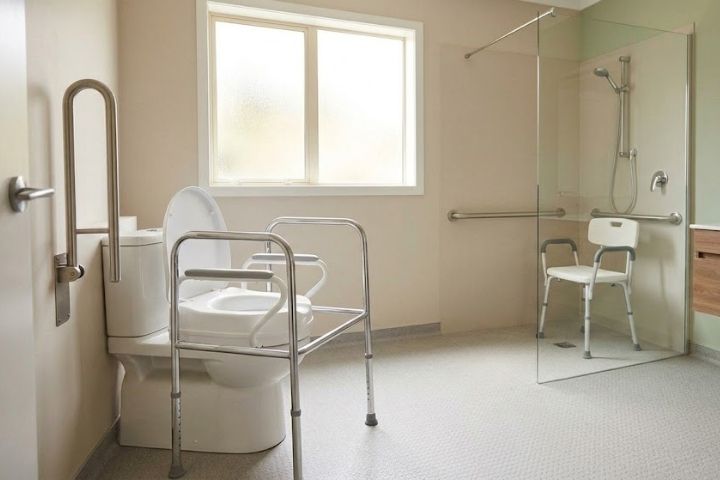
A toilet safety frame may work better for long-term mobility issues, balance concerns, or anyone who needs steady hand support during transfers. Some people may need both options together when they need less bending and stronger support for standing.
Cost and Choosing a Toilet Safety Equipment Supplier
Cost can vary based on the type of toilet support, the model, and whether extra features are needed. A basic raised toilet seat may be simpler, while a safety frame or combined setup may cost more depending on stability, adjustability, and installation needs.
Choosing a toilet safety equipment supplier can help families avoid buying a product that looks helpful but does not fit the bathroom or the person’s needs. The right supplier can explain differences in seat height, frame style, weight capacity, and bathroom fit before a purchase is made.
Choose a Toilet Support That Fits the Way You Move
The safest option is the one that matches how the person sits, stands, balances, and moves through the bathroom each day. A raised toilet seat, safety frame, or combined setup should make the routine easier without crowding the space or creating new challenges.
James Medical helps families compare toilet safety options with comfort, fit, and daily use in mind. Contact James Medical to find toilet support that fits your bathroom routine and safety needs.