

Choosing the Right Walker Height (and Why It Matters)
Walker height can affect more than comfort. When the handles are set too high or too low, a senior may lean, tense their shoulders, bend their wrists awkwardly, or move with less control than they realize.
For caregivers, checking walker height is one of the simplest ways to support safer movement at home. Among common mobility aids for seniors, a walker should match the person’s posture, arm position, shoes, and daily walking needs to help with balance rather than create extra strain.
A Small Height Change Can Affect Daily Safety
Even a minor adjustment can change how steady a walker feels during turns, transfers, and short walks from room to room. The goal is not just to make the walker comfortable, but to help the person stand more naturally and move with better control. When the height is right, the walker can support posture, reduce unnecessary effort, and lower the chance of unsafe leaning.
Why Walker Height Matters for Mobility Aids for Seniors
A person's height affects posture before they even take the first step. If the handles are too high, the shoulders may rise, creating tension, while handles that sit too low can cause leaning and poor balance.
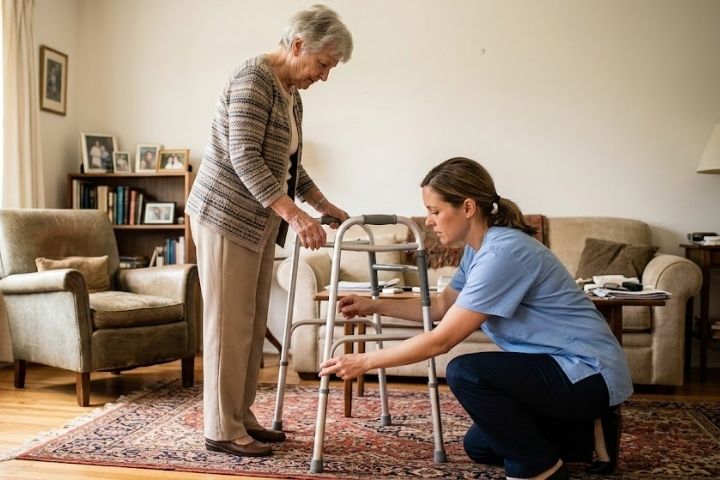
A better fit can help the user stay upright and keep the walker close enough for support. For seniors using mobility aids, small height adjustments can make daily movement feel steadier and may help reduce fall risk.
How to Measure Walker Height Correctly
Measuring walker height should be done while the person is standing as upright as they can safely. They should wear the shoes they normally use, keep their arms relaxed at their sides, and avoid leaning forward during the check. The walker handles should generally line up near the wrist crease, with a slight bend in the elbows when the hands rest on the grips.
Have the person stand inside or just behind the walker.
Let the arms hang naturally at the sides.
Check whether the handles meet the wrist crease.
Adjust both sides evenly before walking.
Watch for a slight bend at the elbow when holding the grips.
A caregiver can help by checking posture from the side before the person starts moving. When measuring mobility aids for seniors, the goal is a setup that supports balance without forcing the shoulders, wrists, or back into an awkward position.
Signs a Walker Is Too High or Too Low
A walker that feels uncomfortable after only a short distance may not be adjusted correctly. Small posture changes can become more noticeable during turns, transfers, or longer walks throughout the day.
Shoulders rise while walking
The person leans too far forward
Elbows lock straight during movement
Wrists bend awkwardly on the handles
The walker feels unstable during turns
These signs can sometimes appear gradually instead of all at once. Paying attention early may help caregivers correct the fit before discomfort or balance problems become harder to manage.
Adjustability Tips for Mobility Aids for Seniors
Walker adjustments should be checked more than once, especially if the person’s strength, posture, footwear, or mobility changes over time. Even small differences between the left and right sides can affect how stable the walker feels during daily use.
Handle grips should also feel secure and comfortable, instead of worn down or slippery. Some users may need another height check after switching shoes, recovering from surgery, or spending more time walking outdoors.
Caregivers should also consider where the walker is used most often, as carpet, thresholds, and uneven surfaces can affect how the person moves around the home safely. For mobility aids for seniors, regular adjustment checks may help prevent unsafe leaning and unnecessary strain.
When It May Be Time to Replace a Walker
Walkers can wear down slowly, which makes small problems easy to overlook. Loose legs, worn grips, uneven rubber tips, or frame damage may affect balance without being immediately obvious.
A walker that once fit properly may also no longer meet the person’s current mobility needs. Changes in posture, strength, endurance, or walking confidence can all affect whether the equipment still provides enough support.
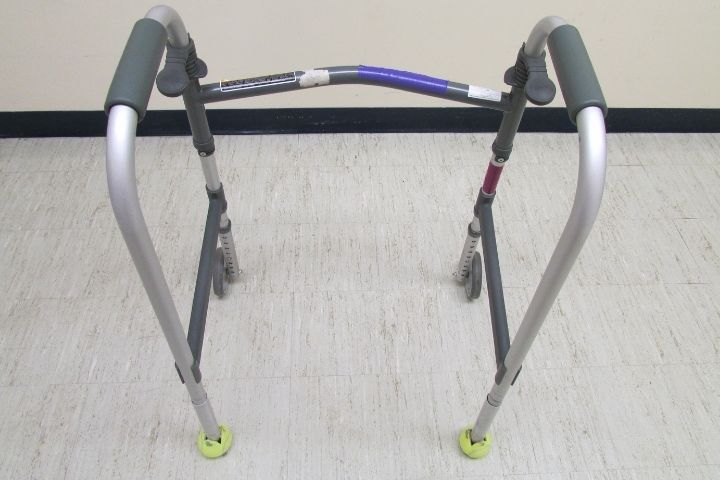
Caregivers should pay attention when the person avoids using the walker, struggles during transfers, or seems less steady than before. Replacing worn or poorly fitted equipment may help reduce fall risk and make daily movement feel safer again.
Get Help Choosing Safer Mobility Aids for Seniors
Walker height can seem like a small detail, but it can affect posture, confidence, and daily safety. A proper fit may help seniors move with greater control while giving caregivers more confidence that the walker supports movement rather than adding strain.
James Medical helps families review walker fit, mobility needs, and home-use concerns before small setup issues begin affecting everyday movement. Bring your walker-fit questions to James Medical for guidance on safer mobility support for everyday use.