
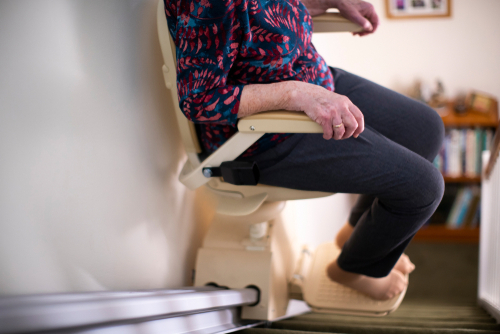
Planning for Future Mobility Needs When Installing a Stair Lift
Navigating multi-level homes can become challenging as mobility changes over time, and a well-designed stair lift can help maintain independence. Assessing current abilities alongside potential future limitations supports safer daily movement throughout the home. Thoughtful consideration of features and layout ensures the solution remains practical for years to come.
Evaluating the staircase, home layout, and frequency of stair use highlights the features that will provide the most benefit. Adjustable seats, swivel functions, and built-in safety sensors enhance comfort and reduce risk of accidents. Planning for long-term use prevents unexpected upgrades and maintains accessibility as needs evolve.
How Can a Stair Lift Support Long-Term Independence?
A stair lift can adapt to evolving mobility needs when physical changes are anticipated. Assessing both current challenges and potential future limitations guides the selection of appropriate features. Professional advice can highlight lifts with adjustable settings and reliable long-term operation.
Evaluating Current and Future Mobility Limitations
Understanding present mobility challenges is the first step in finding a safe solution. Medical evaluations often reveal balance issues, joint stiffness, or endurance limitations. Anticipating future declines ensures the lift continues to provide stability and support over time.

Monitoring potential health changes allows families to consider additional supports or automated features. Selecting a model that accommodates such changes can reduce interruptions in daily activity. Awareness of factors driving stair lift purchases highlights how long-term planning improves safety, convenience, and independence for both seniors and their families.
Lifestyle factors such as stair usage frequency and ability to perform daily tasks play a role in planning. Regular check-ins with healthcare providers can highlight needed adjustments. Combining professional insight with practical home evaluation strengthens long-term mobility planning.
Which Stair Lift Features Improve Safety and Comfort?
Modern stair lifts include features that prevent accidents and support user confidence. Seat belts, obstruction sensors, and smooth acceleration protect users during everyday use. Swivel seats and adjustable heights make boarding and disembarking safer and more convenient.
Obstruction sensors automatically stop the lift if an object is in the way, while controlled acceleration reduces sudden movements. Swivel seats allow users to turn easily when entering or exiting the lift. These safety features reduce strain and provide reassurance for users and caregivers.
Routine maintenance and inspections help keep safety systems functional. Battery-powered models continue to operate during power outages, ensuring uninterrupted access. Understanding the cost of stair lifts emphasizes the importance of selecting models with reliable features that provide long-term safety and convenience.
Professional advice on safety features improves outcomes. Clear guidance on proper use, including engaging seat belts and using remote controls, builds familiarity. Understanding these details encourages consistent and secure usage.
How Do Stair Lift Models Accommodate Home Layouts?
Straight stair lifts are often more cost-effective, while curved stair lifts require customized tracks for proper alignment. Correct fit reduces the risk of operational issues and improves overall comfort. Measuring stair width, landing space, and obstructions helps determine suitable models.
Foldable seats and footrests can conserve space without reducing usability. Track design and weight limits are important for both safety and functionality. Professionals can help determine the ideal configuration, as explained in the steps involved in installing a stair lift.
Additional features such as adjustable seat heights and swivel options enhance comfort for individuals with mobility or strength limitations. Flexibility in design allows for adjustments as needs change. Professional guidance ensures long-term functionality and convenience.
Comparing different models based on cost, features, and reliability helps families make informed decisions. Track options, power requirements, and control mechanisms are key considerations. A careful evaluation balances safety, usability, and investment value.
What Power and Backup Systems Keep a Stair Lift Reliable?
Battery backup systems allow stair lifts to operate during power outages, preventing interruptions in access. Many models operate on both AC power and battery, providing flexibility for everyday use. Assessing battery capacity ensures that the lift meets daily needs without frequent recharging.
Testing backup systems regularly identifies potential problems early. Guidance on charging schedules and maintenance practices helps maintain consistent performance. Reliable power solutions increase user confidence and independence.
Remote operation and call/send features improve convenience for users. Summoning the lift from different levels minimizes strain and promotes safety. These options support flexibility as mobility requirements evolve.
Steps to a Proper Stair Lift Installation
Proper installation of a stair lift is critical for safety, comfort, and long-term functionality. Professional guidance ensures the lift operates smoothly while accommodating the home layout and user needs. Breaking the process into key steps helps families understand what to expect.
Home Assessment and Measurement – Installers evaluate the staircase, measure dimensions, and check for obstacles to ensure proper track fit.
Track and Component Installation – The rail system, motor, and support components are securely mounted for safe, smooth operation.
Seat and Control Adjustment – Seats, footrests, and armrests are adjusted to user comfort, and remote controls or call/send features are configured.
Safety Feature Setup – Seat belts, obstruction sensors, and emergency stop mechanisms are tested and confirmed functional.
User Training – Homeowners and caregivers receive instructions on operating the stair lift, safety precautions, and troubleshooting.
Follow-Up and Maintenance Planning – Scheduled check-ins or inspections ensure the lift continues to function reliably over time.
Aesthetic Integration – Track finishes and design adjustments help the stair lift blend with home décor while remaining practical.
Completing these steps carefully enhances safety, maximizes comfort, and extends the life of the stair lift. Professional installation provides peace of mind and supports ongoing independence for users navigating multi-level homes.

Benefits of Preparing for Long-Term Mobility Needs
Anticipating changes in mobility helps families take proactive steps to maintain safety, independence, and comfort at home. A stair lift can be a central part of this planning, providing reliable access to all levels of the home. Breaking down the benefits into key points highlights why long-term preparation matters.
Enhanced Safety – Planning ahead reduces the risk of accidents on stairs by incorporating features like seat belts, sensors, and smooth operation.
Maintained Independence – A stair lift allows users to move freely between floors without relying on others for assistance.
Financial Planning – Considering installation, maintenance, and potential upgrades early helps avoid unexpected costs.
Adaptability for Future Needs – Selecting features that can accommodate changes in strength or balance ensures ongoing usability.
Reduced Caregiver Dependence – Properly equipped lifts limit the need for constant caregiver support, preserving autonomy.
Long-Term Comfort – Thoughtful planning ensures a comfortable and convenient experience for daily use.
Sustained Quality of Life – Maintaining safe and easy access throughout the home supports overall health and well-being.
Ultimately, a structured approach to long-term mobility needs provides confidence and peace of mind. Families can enjoy a safer, more accessible home while minimizing stress and unexpected challenges over time.
Supporting Independence and Safety in the Home
Evaluating mobility, home layout, and safety features prepares families for long-term independence. Stair lifts provide a stable, adaptable solution that evolves alongside changing physical needs. Thoughtful planning delivers confidence, comfort, and security for users and caregivers.
Families seeking guidance for stair lift evaluation and installation can benefit from expert consultation at James Medical. Professionals assist with evaluation, recommend appropriate models, and provide reliable installation. Contact James Medical to schedule an evaluation and secure a solution that promotes independence, mobility, and long-term safety.