
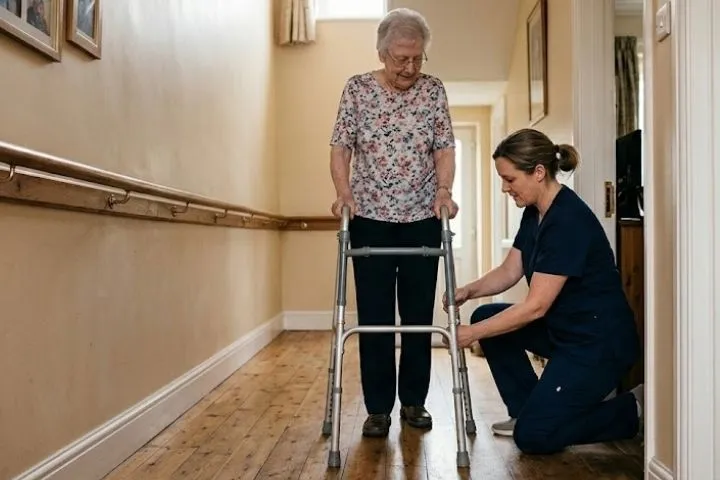
Local Guide: Where Mobility Equipment Fits Inside Smaller Homes
In a smaller home, mobility equipment becomes part of the room itself. Hallways, bathroom space, furniture placement, and entry access can all change how safely someone moves through the day. Equipment that works well in a large open space may feel frustrating in a compact Fort Wayne home with narrow entries, tight bedrooms, or limited bathroom clearance.
For caregivers, the goal is not just finding equipment that fits through the door. Working with a mobility equipment supplier near me can help families think through the person’s condition, the home’s layout, and whether small changes to the space can make care safer before replacing equipment too quickly.
The Best Fit Starts With the Actual Home
A smaller home does not automatically mean fewer mobility options. It does mean the equipment should match real spaces, including where the person sleeps, bathes, enters the home, and moves between rooms. Looking at those daily routes first can help families avoid equipment that looks helpful on paper but proves difficult to use at home.
Why Smaller Homes Change the Equipment Conversation
A local supplier gives families a way to think beyond product size and focus on how equipment will function inside the home. Measurements, turning space, storage, door clearance, and caregiver access can all affect whether a product works smoothly in a smaller home.
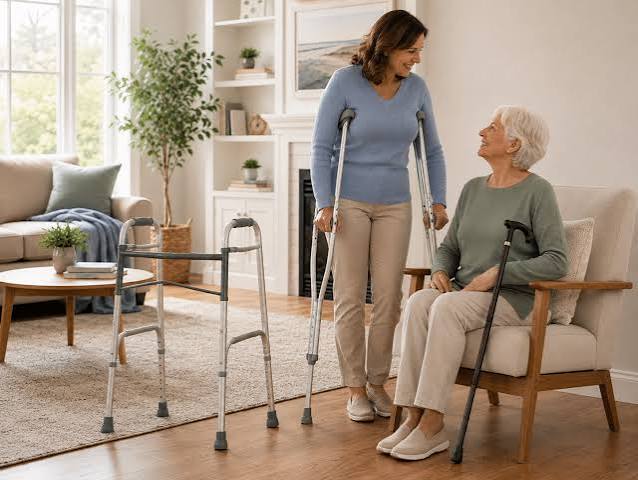
Searching for a mobility equipment supplier near me can be especially useful when the family needs practical guidance rather than a quick product guess. A supplier familiar with mobility needs can help caregivers compare smaller options, ask better questions, and avoid choosing equipment that only works in wide-open spaces.
Space-Saving Equipment That Can Work Better Indoors
Smaller homes do not always require major modifications right away. In many cases, the better starting point is choosing equipment that supports mobility without blocking daily paths or crowding important rooms.
Foldable Walkers
Foldable walkers can help when storage space is limited or when the person needs support in multiple areas of the home. They can be easier to move near beds, chairs, or entryways without leaving equipment in the middle of a walking path.
Compact Wheelchairs
A compact wheelchair may be easier to manage in narrow hallways, small bedrooms, or tight dining areas. Caregivers should still check seat width, turning space, and whether there is enough room to assist safely from the side or front.
Narrow Scooters
A narrow scooter may work for some users who need powered support but still have limited indoor space. Families should carefully consider the turning radius, doorway width, and where the scooter will be charged or stored.
The best small-space option depends on the person’s strength, balance, caregiver support, and daily route through the home. A product that saves space but makes transfers harder may not solve the real problem.
Layout Changes That Make Daily Movement Easier
Small layout changes can sometimes make mobility equipment easier to use without replacing anything right away. Moving bulky furniture, clearing cords, removing loose rugs, and keeping frequently used items within reach can create safer paths through the home.
Entry access also matters because tight doorways, raised thresholds, and crowded front rooms can make daily movement harder. Caregivers should review the routes from the bed to the bathroom, the main sitting area, and the most-used entry before deciding what needs to change.
Fort Wayne Housing Factors Families Should Notice
Many Fort Wayne homes have older layouts, smaller bathrooms, narrow interior doors, or steps near entrances. These details can affect how well mobility equipment fits into everyday routines.

Weather and neighborhood access can also shape equipment choices. Sidewalk condition, driveway slope, and winter entry safety may all affect whether a compact walker, wheelchair, scooter, or home adjustment is the better fit.
When to Modify the Home or Replace the Equipment
Sometimes the home needs a small change, not a different device. Moving furniture, widening a path, adding a ramp, or improving bathroom access may help existing equipment work better in a smaller space. These updates can be especially helpful when the person’s current equipment still feels safe, but the layout creates daily obstacles.
Other times, the device itself may be the issue. If a wheelchair cannot turn safely, a scooter blocks key areas, or a walker creates awkward movement in tight rooms, a smaller or more practical option may be safer. Work with James Medical to match your home layout with mobility equipment that supports safer movement in smaller spaces.