
Indoor vs Outdoor Mobility Scooters: What Matters Most?
Buying a mobility scooter without thinking through where it will be used most can lead to daily frustration. A model that feels smooth in an open showroom may be difficult to turn through narrow doorways, while a compact scooter that works indoors may not feel steady enough on sidewalks or uneven outdoor paths.
The best choice depends on the person’s home layout, neighborhood routes, travel habits, and need for range. Looking at those details before choosing a mobility scooter can help families avoid paying for features they do not need or missing the features they will rely on every day.
Start With the Places You Travel Most
A scooter should match the spaces a person actually moves through, not just the longest trip they imagine taking. Someone who mostly moves around the home may need tight turning and easy control, while someone who visits neighbors, stores, or appointments may need better outdoor stability and battery range for limited mobility support. Starting with real routes keeps the decision grounded and helps narrow the options faster.
Key Differences Between Indoor and Outdoor Mobility Scooter Models
Indoor and outdoor scooter needs are not always the same. Before choosing a model, families should look at how the scooter handles space, distance, surface changes, and daily routines.
Turning radius and maneuverability
Battery range and charging needs
Tire size and terrain handling
Scooter weight and transportability
Speed and outdoor stability
A smaller scooter may work well in tight indoor areas, while a larger model may feel safer on longer outdoor routes. Matching the mobility scooter to the main use case can help prevent comfort, control, and safety issues later.
Indoor Spaces and Mobility Scooter Maneuverability
Indoor use often depends on how easily a scooter can move through tight spaces without constant repositioning. Hallways, bedroom entrances, kitchen layouts, furniture spacing, and bathroom access can all affect how practical a scooter feels inside the home.
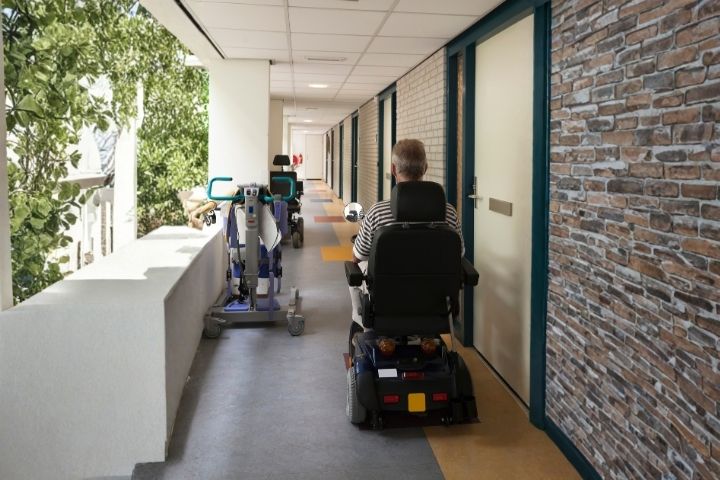
A compact scooter with a tighter turning radius may work better for apartments, smaller homes, or crowded living spaces. When choosing a mobility scooter for indoor use, families should consider everyday movement patterns rather than focusing solely on speed or appearance.
Outdoor Stability, Speed, and Travel Range
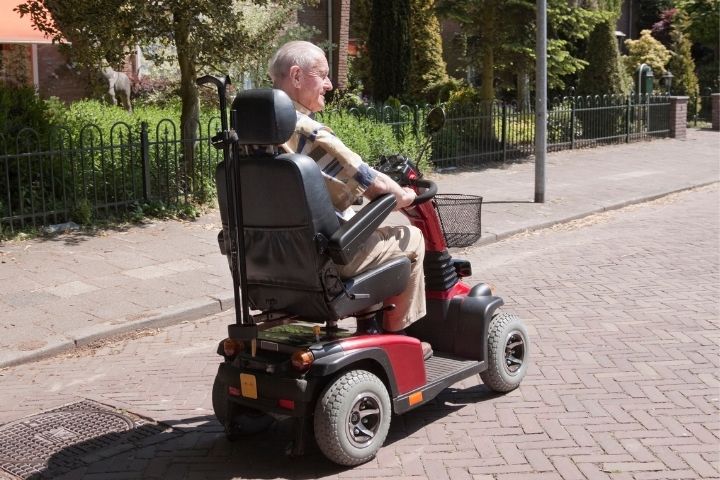
Outdoor travel usually requires more stability than indoor movement. Sidewalk cracks, curb transitions, uneven pavement, neighborhood slopes, and longer distances can all affect how safe and comfortable a scooter feels outside.
Larger tires and a wider base may help outdoor scooters feel steadier on rougher surfaces. Battery range also becomes more important when errands, appointments, or neighborhood trips involve longer travel distances.
Some users may need only short outdoor trips, while others rely on the scooter for regular community travel throughout the week. Choosing the right mobility scooter for outdoor use often comes down to how far the person travels and how challenging the route feels day to day.
Battery Life and Terrain Capability in a Mobility Scooter
Battery performance can affect more than travel distance. Longer routes, hills, grass, uneven pavement, and repeated daily trips may drain power faster than families expect.
Some scooters are built mainly for smooth indoor flooring, while others are designed to handle sidewalks, parking lots, and outdoor surfaces more comfortably. Tire size, suspension, and motor strength can all affect how stable the ride feels during outdoor movement.
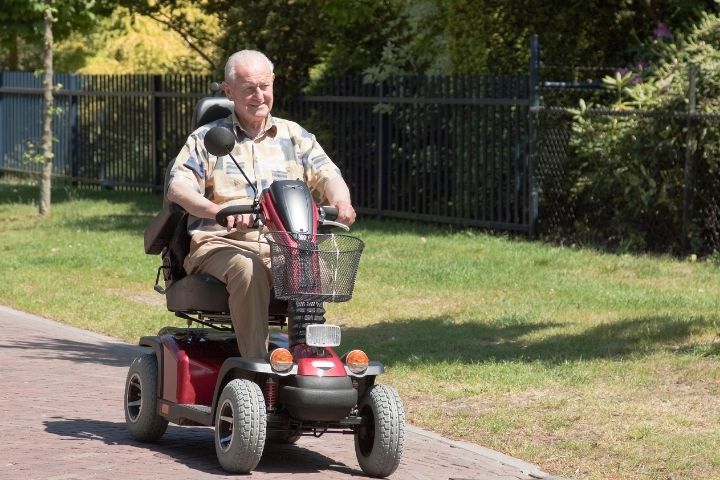
Charging habits also matter because frequent trips may require more planning than occasional indoor use. When choosing a mobility scooter, families should consider where the scooter will travel most often rather than focusing solely on advertised range numbers.
When a Hybrid Mobility Scooter May Make Sense
Some people need a scooter that can move comfortably through the home while still handling outdoor errands and neighborhood travel. A hybrid model may help balance indoor maneuverability with the added stability needed for sidewalks and longer distances.
This option can work well for users who split their time between indoor movement and community activities throughout the week. A hybrid mobility scooter may not be the smallest or fastest option, but it can help reduce the need to compromise between indoor control and outdoor confidence.
Local Routes, Sidewalks, and Everyday Errands
Local travel can reveal details that are easy to miss during the buying process. Sidewalk width, curb cuts, driveway slopes, store entrances, neighborhood traffic, and distance between stops can all affect how practical a scooter feels once it becomes part of daily life.
Daily habits should guide the final decision, including errands, appointments, visits with neighbors, and time spent in shared community spaces. James Medical helps patients and caregivers look beyond basic features and consider how a mobility scooter will work in real homes, local routes, and everyday routines. Plan your mobility scooter selection with James Medical before choosing a model.