
Combining Pain Management Devices for Maximum Effectiveness
Managing daily discomfort can be challenging, but using the right tools thoughtfully can make a meaningful difference. TENS units, heating pads, and massagers each address specific types of discomfort, and combining them as pain management devices can enhance relief safely and effectively. These devices help users maintain mobility, independence, and comfort throughout their daily routines.
Understanding how each device functions prevents overuse and ensures optimal results consistently over time. Integrating these tools into regular routines reduces pain while promoting confidence and self-sufficiency. Learning which devices target precise areas of discomfort improves overall quality of life steadily.
How Can Pain Management Devices Work Together?
Pain management devices can complement each other to address multiple sources of discomfort simultaneously. TENS units reduce nerve‑related pain, heating pads relax muscles, and massagers enhance circulation consistently. Using these devices in a coordinated routine provides relief safely and effectively throughout the day.
Identifying Compatible Devices for Complementary Therapy
Selecting compatible devices ensures treatments remain safe, effective, and supportive of comfort goals. TENS units, heating pads, and massagers each address specific pain types differently, maximizing relief when coordinated with other pain management devices. Understanding device functions helps prevent counterproductive overlap and discomfort from multiple therapies.
Compatibility also depends on intensity levels, session duration, and frequency for consistent and safe outcomes. Adjusting these factors allows pain management devices to work synergistically while minimizing potential strain. Maintaining proper settings improves safety and user confidence across all treatments consistently.

Checking physical compatibility prevents irritation or injury during combined device sessions at home. For example, avoid placing a heating pad over an area already treated by a massager. Thoughtful device placement ensures therapy remains effective and reduces risks of skin irritation.
Using complementary devices enhances both comfort and mobility consistently throughout the day. Alternating sessions of TENS units and massagers supports continued relief without overwhelming the body. Careful planning ensures each device contributes meaningfully to overall therapy goals.
How Do You Target Specific Areas of Discomfort?
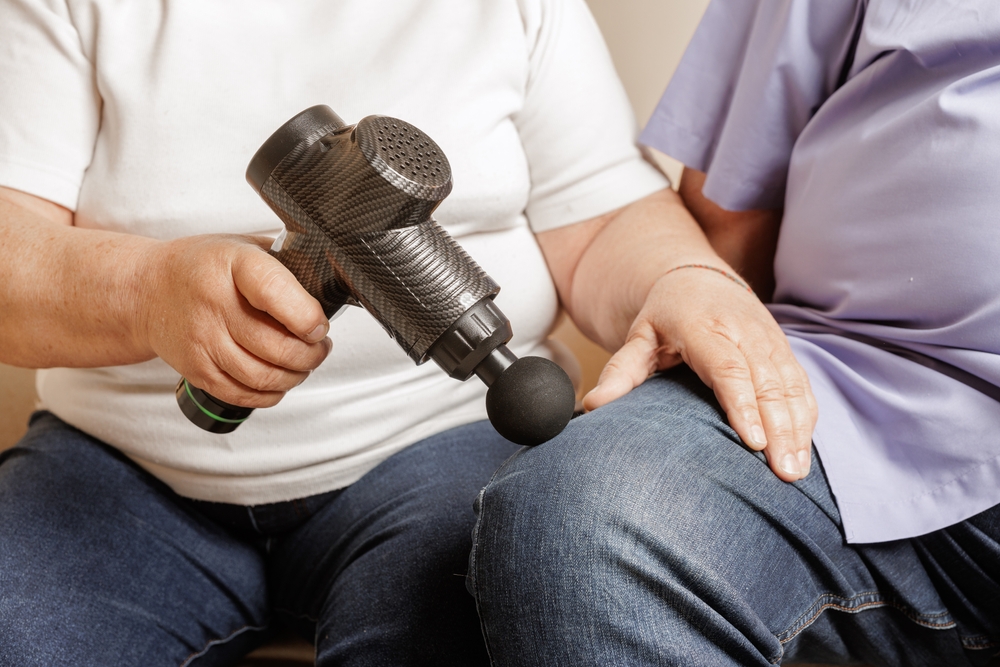
Targeted therapy improves outcomes while reducing unnecessary exposure to treatments in unaffected areas. Devices such as massagers, localized heating pads, and TENS units for pain relief focus on specific joints or muscles needing attention. Identifying precise problem points ensures therapy is efficient and highly effective for the user.
Adjusting device positioning guarantees optimal contact with affected muscles, nerves, or joint areas consistently. Small placement changes can significantly influence the depth and effectiveness of therapy. Targeted use enhances comfort without causing overstimulation or additional discomfort during sessions.
Observing the body’s response to treatments helps refine future therapy sessions for better outcomes. Combining targeted therapy with gentle stretching or light movement improves circulation, flexibility, and overall comfort. Thoughtful, focused care with pain management devices encourages independence while supporting daily functionality and reducing pain episodes.
What Safety Guidelines Should Be Followed?
Using pain management devices safely is essential to ensure effective relief without causing injury. Each device comes with specific instructions for intensity, duration, and frequency that must be followed carefully. Adhering to these guidelines protects users while promoting consistent, safe therapy results.
The following safety guidelines can help users maximize the benefits of their pain management devices:
Follow manufacturer instructions precisely for intensity, duration, and frequency to prevent overuse or discomfort.
Inspect devices regularly to ensure they are clean, functioning properly, and free from damage or wear.
Take short breaks between sessions to allow muscles, joints, and nerves to recover safely for future use.
Avoid overlapping treatments on the same area to prevent irritation or reduced effectiveness of therapy.
Seek assistance when needed, especially for seniors or individuals with mobility limitations, to ensure proper placement and safe use.
Consistent adherence to these safety practices enhances the effectiveness and longevity of pain management devices. Users can enjoy improved comfort, reduced risk of injury, and a safer home therapy experience.
How Can You Adjust Settings for Optimal Relief?
Customizing device settings improves comfort and maximizes therapy effectiveness for consistent results. Gradually increasing intensity prevents discomfort and allows the body to adapt safely. Adjusting session length ensures treatments remain productive and comfortable without risk of overuse.
Experimenting with frequency or vibration levels helps identify the most effective combination for relief. Monitoring the body’s response guides careful adjustments to optimize therapy results. Consistent evaluation promotes safe, efficient use of pain management devices over time.
Ensuring settings match user tolerance supports long-term safety while encouraging daily independence. Overly aggressive intensity or prolonged sessions can cause irritation or reduce therapy effectiveness. Thoughtful adjustments foster comfort while maximizing the benefits of each session consistently.
Documenting preferred settings for each device improves future sessions’ safety and effectiveness. Keeping a record of what worked or caused discomfort guides continued use. Tracking ensures therapy remains consistent, safe, and reliably effective throughout treatment.

Incorporating Pain Management Devices Into Daily Routines
Routine use maximizes relief while supporting independence and daily comfort consistently. Scheduling device use around regular activities allows therapy without disrupting daily tasks. Combining sessions with light stretching enhances circulation, reduces stiffness, and improves mobility effectively.
Tracking progress identifies which devices or combinations provide the best relief for ongoing management. Gradual integration prevents overwhelming the body while promoting consistent therapy usage. Thoughtful routines reinforce long-term benefits and support better overall outcomes.
Consistent therapy also supports both physical wellness and emotional well-being over time. Regular use helps reduce anxiety about unpredictable pain episodes during the day. Establishing a daily rhythm improves comfort and supports long-term independence effectively.
Caregivers can assist with reminders, device placement, and monitoring to ensure safety. Support ensures devices are used correctly while minimizing potential risks. Routine integration of pain management devices with features like pain sensors enhances quality of life and overall therapy results consistently.
Choosing the Right Devices for Your Needs
Selecting the proper tools can significantly improve comfort, mobility, and daily independence. Considering personal needs carefully ensures that pain management devices provide safe and effective relief consistently. Choosing adjustable devices allows flexibility to meet evolving requirements while maintaining user safety.
Here are five key considerations when selecting the right devices for your needs:
Identify pain type and location to ensure the device targets the areas that require the most relief.
Assess mobility and physical abilities to select devices that can be safely operated and used independently.
Consider lifestyle and daily routines to choose devices that integrate easily into regular activities without disruption.
Look for adjustable features such as intensity, heat, or vibration settings to customize therapy safely and effectively.
Consult with a healthcare professional to confirm that devices match individual pain profiles and long-term therapy goals.
Thoughtful device selection improves both effectiveness and comfort, providing consistent support throughout daily routines. Using tools that align with personal needs enhances mobility, reduces discomfort, and promotes long-term independence.
Effective Home Therapy With Pain Management Devices
Coordinating multiple devices thoughtfully significantly improves daily comfort and mobility at home. Understanding how to combine TENS units, heating pads, and massagers promotes effective relief. Consistent, targeted use supports physical wellness, emotional well-being, and quality of life.
Support and personalization drive better long-term outcomes. If you’re looking for guidance and tailored pain relief solutions, reach out to James Medical experts. They can help you explore effective home therapy solutions using trusted pain management devices.