

What Caregivers Should Know Before Choosing Mobility Equipment
Choosing equipment for someone else can feel overwhelming because the decision affects safety, comfort, independence, and daily care. A caregiver may be thinking about the person’s condition, but the home layout, transfer needs, routines, and long-term support needs matter just as much.
The search for a mobility equipment supplier near me often starts when a family needs help quickly, but rushing can lead to equipment that does not fit the person or the home. Taking time to review the patient’s abilities, caregiver responsibilities, and daily movement patterns can make the decision safer and easier to manage.
Caregivers Need More Than a Product List
The right support should solve a real daily problem, not just check a box after a hospital discharge, injury, or change in mobility. Caregivers need to know whether the person can stand, transfer, walk short distances, manage fatigue, or use equipment without constant help. Starting with those details helps narrow the options before cost, delivery, or availability becomes the main focus.
What to Look for in a Mobility Equipment Supplier Near Me
A caregiver may need more than a place that sells equipment. Guidance matters when the family is choosing between walkers, wheelchairs, lift chairs, hospital beds, bathroom safety products, or temporary rental options.
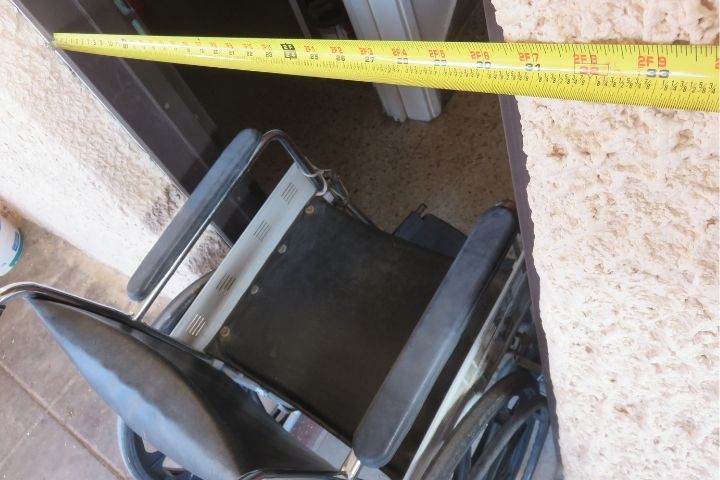
A helpful supplier should ask about the person’s condition, home setup, caregiver support, and how each item will be used each day. When searching for a mobility equipment supplier near me, families should look for practical recommendations instead of one-size-fits-all answers.
Start With the Patient’s Condition and Daily Routine
The person’s health condition should guide the first round of decisions. Someone recovering from surgery may need short-term support, while a person with a chronic condition may need equipment that can support changing needs over time.
Daily routines matter, too, because equipment has to work in real moments, not just ideal situations. Getting in and out of bed, using the bathroom, moving through the kitchen, attending appointments, and managing fatigue can all affect which option makes the most sense.
Home Layout Questions Before Choosing Mobility Equipment
The home can quickly reveal whether equipment will make care easier or create new obstacles. Before choosing anything, caregivers should look at the spaces where transfers, walking, bathing, sleeping, and daily movement happen most often.
Are doorways wide enough for the equipment?
Will the equipment fit beside the bed or inside the bathroom?
Are there rugs, stairs, thresholds, or uneven flooring?
Will caregivers have enough room to assist safely?
Will the equipment be used indoors, outdoors, or both?
Small layout details can make a big difference once equipment is used every day. Planning around the home first can help prevent returns, unsafe workarounds, or equipment that only solves part of the problem.
Safety, Independence, and Caregiver Support
Caregivers often want to protect the person they love, but too much support can sometimes limit independence. The goal is to reduce fall risk, transfer strain, and daily frustration while still allowing the person to do as much as they safely can.

A walker, wheelchair, lift chair, bed rail, or bathroom aid may each support a different level of independence. Matching the equipment to the person’s real abilities can help caregivers avoid choosing something that feels safe but makes movement harder than necessary.
Good equipment decisions should also protect the caregiver. If transfers, lifting, or constant physical support are becoming difficult, a better setup may reduce strain for both the patient and the family member helping each day.
Cost, Long-Term Needs, and Equipment Planning
Cost is important, but the least expensive option is not always the most practical choice. Equipment that does not meet the person’s needs may lead to discomfort, safety concerns, or an earlier purchase than expected.
Caregivers should think about whether the need is temporary, ongoing, or likely to change. Rentals may make sense during short recovery periods, whereas long-term conditions may require equipment that supports more regular use.
Planning ahead can make the investment easier to understand. Families comparing options with a mobility equipment supplier near me should ask about rental availability, delivery, setup, maintenance, and whether the equipment can still support the person if mobility changes later.
Why a Professional Evaluation Can Help
A professional evaluation can help caregivers see details they may miss when they are focused on urgent needs. Equipment size, transfer space, fall risk, caregiver strain, and the person’s comfort level can all affect whether a mobility option will work well at home.
James Medical helps families review real daily routines, home setup, and care needs before choosing equipment. Build a safer mobility plan with James Medical so your loved one has practical help that fits daily life.